Summary: A Himalayan motorcycle tour is tough but deeply rewarding. From gear and bike selection to safety and timing, this guide covers everything UK riders need to know before hitting India’s legendary mountain roads.
Few expect how much the Himalayas test both body and mind, yet it’s far from out of reach. With solid preparation, most people handle the ride better than assumed. Tough days come regularly, but still progress stays possible. The road pushes limits; even so, determination often wins. Physical strain shows up fast, yet mental strength grows along the way.
What makes it tough lies in three separate factors. Still, each one plays a role on its own. One follows another without warning.
High up where oxygen runs low, past three thousand meters.
Bumpy trails cut through the peaks.
Hours on horseback stretch under open skies.
Most folks who cycle often across the UK, stay fairly active, and tag along with trusted group rides tend to call this kind of trip doable though tough – never wild. Most riders climbing into the Himalayas face altitude problems at some point. Because of this risk, experienced guides often include slow progress and pauses during ascent.
Put simply, this trip demands more effort than your usual European tour. Yet determined UK riders can handle it provided they train well ahead of time.
Motorcycle Trip From UK To Himalayas
Motorcyclists begin their journey across continents when flights carry riders from the UK to Delhi. From there, travel shifts by short-haul plane or through night trains heading north. Out there, plenty of UK riders prefer hiring wheels once they land in India instead of sending their own. Getting a motorcycle shipped across takes ages and costs a lot, plus it means dealing with piles of customs forms. Then again, major spots for riding adventures in India already stock solid lineups of Royal Enfield’s rugged tourers and off-road models, all ready to go.
Best Time Of Year For A Himalayan Motorcycle Tour From UK
June through late September opens the door for high mountain trails like Manali to Leh, Ladakh, or Spiti. Though snow blocks paths earlier, these months clear the way. Travel during this stretch means fewer surprises from weather. Routes stay passable until autumn breathes its first chill. After that, winter returns without warning.
High mountain crossings stay blocked by snow most months. As weather trends shift, the timing of pass openings drifts, sometimes earlier, sometimes later. Heavier downpours and unpredictable monsoon cycles have marked recent seasons. That’s why many motorcyclists from the UK, pick late June through mid-July, and also September, for trips into the Himalayas. These windows tend to bring steadier skies and fewer bikes on winding roads.
Spring brings mild days to the lower hills of Uttarakhand and Himachal, making March through May a steady choice. Skies stay sharp and light during these months, just before summer heat builds. Another window opens after the monsoon fades; October into early November offers crisp mornings. Travelers find firm ground then, with fewer clouds holding back the sun. Cooler breezes move through the valleys once the rains pass.
Flying needs permission stamps in your passport. Tickets get you on the plane. Some trips require special entry papers. Flying straight from London to Delhi typically takes about nine hours, though layovers stretch that out some. Season and how many people want seats push prices up or down, yet the steep jumps right after lockdowns have softened now that airlines are flying more planes again.
Getting into India means UK travelers must have a visa. Now that the online option is back, Brits can apply without the old hassle. Rules change, so look up what India says right now before buying tickets. Things run smoother since the digital process returned.
Access Passes For Zones Off-Limits
Certain border zones close to China and Pakistan need extra paperwork, yet regulations shifted several times after 2020. Places like Ladakh and sections of Arunachal Pradesh, along with remote mountain crossings, count under these rules. Handling this alone from Britain could prove tricky, better to leave permit work to a trusted travel agent on-site who follows updates closely.
Fresh tires under a city bike at dawn. Gear tucked in saddlebags, ready. A helmet clipped by the door. Lights blinking on a handlebar. Riders weaving through morning traffic. Puddles reflecting their path home.
Which Bicycle Fits Best For Riding Through The Himalayas?
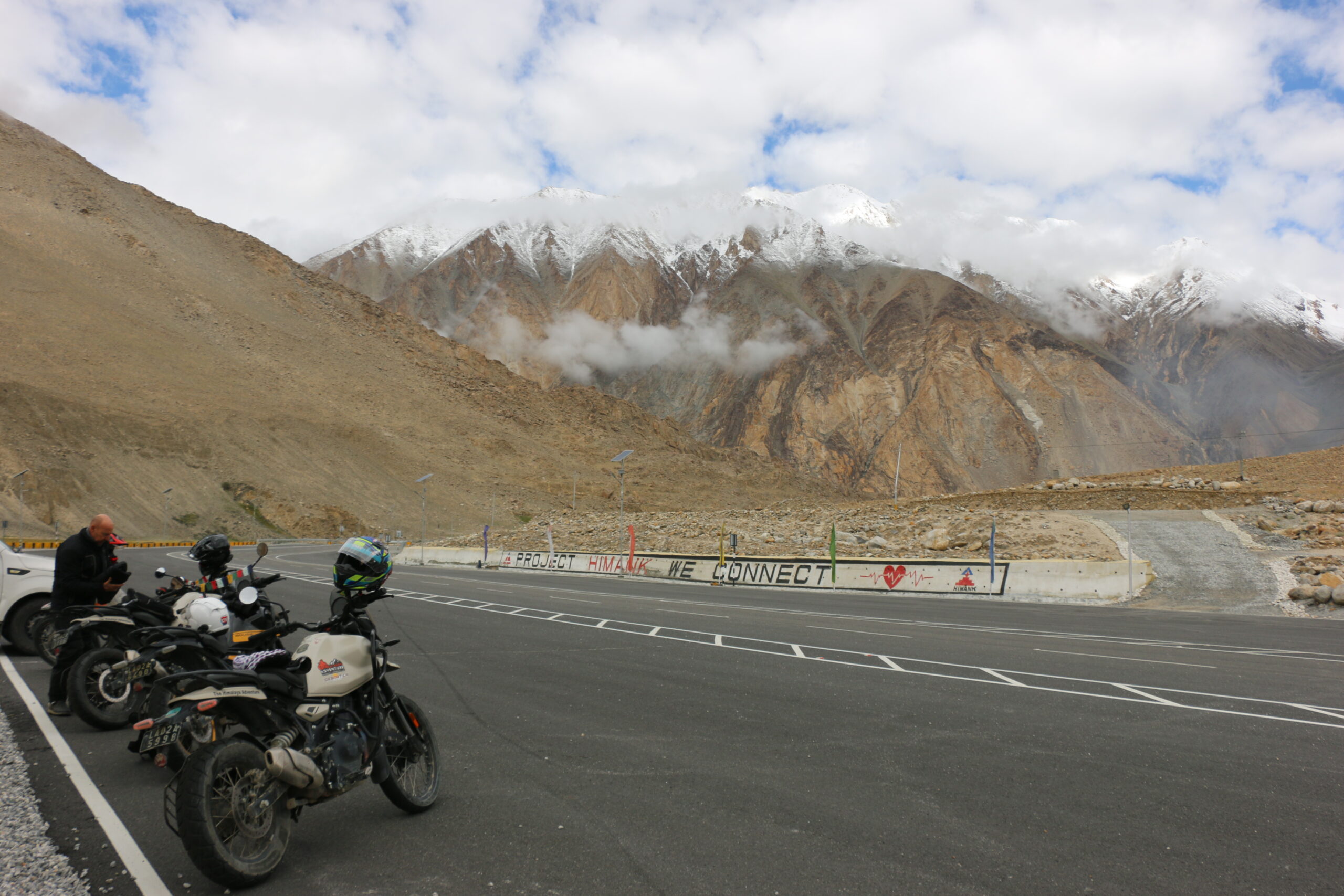
One thing foreign riders often ask is, “Does it need to be a Royal Enfield?” Not at all. Still, many pick them. The reason sits in how basic they are, full of low-end power, and simple fixes even far off the grid. The Himalayan 450 is built for this terrain, off roads, no roads and everything in between.
Lately, tour companies started using newer adventure motorcycles like the Royal Enfield Himalayan 450, along with machines from KTM and BMW. These come with improved suspension systems, stronger braking performance, plus greater rider ease. A bike sized between 350 and 500 cc tends to suit most travelers just fine, especially when power builds gently. Bulky models that pack extreme strength can feel awkward on winding trails where paths turn sharply and edges fall away steeply.
Hopping on a plane with just your gear usually beats hauling your bike across borders. Since those rental motorcycles come prepped by trusted tours, they run smoothly on regional gas and handle terrain without fuss.
Wondering what gear really matters? Let us break it down without the noise. Through grit, chill, downpours, blazing light – maybe even flakes you’ll push forward across one stretch. Instead of one thick outfit, stacking clothes brings more ease. At a minimum, plan for a full-face or adventure helmet with a clear visor.
Textile riding gears for riding, built with safety padding approved by European standards. Inside, layers that block wind and cold come out when not needed. Protection stays put during crashes. The shell handles rain and road grit without tearing. Liners slide in or out depending on weather shifts. Goretex stuff & superior safety rating (AA or more) should make you comfortable. Tough stitching holds seams through long wear.
Fine water-resistant hand covers along with something lighter. A spare set when wetness isn’t heavy. Boots built tough, rising high enough to shield your ankles. When streams get in the way, they handle the wet without slowing you down. Waterproof socks save the day ( & night) when you cross those water crossings en route. Start with something light next to your skin. Then add a cozy middle piece when temperatures drop. Finish off with a slim insulated coat if it gets really cold at night. Base layers are a must if you don’t like it cold.
Good ear covers plus something to guard your eyes when dust kicks up. Heavy gear feels like a hassle when flying from Britain. Instead of stuffing bags, travelers put jackets and boots on during transit while leaving thinner clothes in luggage below. Some high-end trips through the Himalayas roll with backup trucks tagging along behind – meaning panniers stay light each morning ride. That extra truck means less is strapped onto the motorcycle itself day after day.
What About Safety When Traveling Through India’s High Mountain Region?
Up in the hills, things slow down suddenly; the rush fades. What seems like disorder in city streets gives way to caution on mountain roads. Loose gravel might shift without warning beneath tires. Sometimes rocks tumble after heavy rain. Animals step into the path when least expected. Tiredness creeps in more easily at high altitudes. Confidence can grow too fast, especially around sharp turns.
Even though official reports reveal many deaths on India’s roads, trusted travel companies in the mountains stay remarkably safe. Because they control how fast groups move, their riders face fewer risks. Radios crackle ahead of trouble spots, sending alerts about rough patches or weather shifts. Daily rides are kept short enough to avoid exhaustion. Alcohol is banned while trips run, a rule strictly followed by most outfits. Before wheels turn each morning, teams gather for quick talks on what to watch for. The lead rider leads from the front & the sweeper and the back-up truck ensures the flock stays together. Safety becomes routine, not forced.
Motorcycle trips in India need special coverage. Standard UK plans often skip this. Riding at high elevations on public roads isn’t always included. Engine size matters when checking what’s protected. Small print tends to hide these limits, yet they matter a lot.
Choosing The Right Organiser For Your Trip
Finding your way through the Himalayas on two wheels becomes far easier when support comes included. Bikes are ready, mechanics tag along, and there’s always a spare vehicle nearby just in case. Permits? Already handled. Where do you sleep each night? Taken care of ahead of time. Even travel between key spots might be covered, quietly arranged before departure.
Peering past shiny pictures matters most. Start by questioning what hides behind them.
- Who owns and maintains the bikes?
- For how much time now have they operated along the Himalayan paths?
- What number of days spent biking goes past 250 kilometers?
- How they’re handling problems with high elevations or blocked routes.
- Do the guides speak English and also happen to carry first aid kit (medic, oxygen are essential)
Many Riders Choose Royal Bikers
Riding through India’s wilder paths, Royal Bikers stand out with thoughtfully paced trips that favor quality over rush. Found online at www.royalbikers.com, they run tight-knit groups on fresh motorcycles built for comfort and control. Instead of chasing endless mountain crossings, their routes unfold slowly, each turn measured, each stop intentional. Fewer riders, better machines, and plans shaped by real terrain, not checklists.
A British biker dreaming of the Himalayas gets reliable motorcycles ready to go, support trucks stocked with spare parts plus oxygen tanks. Local leaders know how Indian roads really work while also respecting what foreign visitors need. Instead of just hitting big names like Khardung La, trips include quiet valleys and family stays tucked off main paths. Having traveled to these remote locations over years & being deeply rooted in the local culture, administration & people helps them to let the riders experience many things that are beyond ordinary. These choices open up daily mountain culture beyond postcard views. Travelers from abroad frequently note clear costs, steady guidance during delays, and cool heads when plans shift due to weather or rough tracks.
FAQs
Is Riding Through The Himalayas Tough For Someone Used To International Roads?
Rough terrain comes with the territory here, yet it stays within reach if you prepare yourself properly. Days often stretch between six and eight, with plenty of breaks at regular intervals, so stamina matters more than speed. High ground appears frequently, think over 3,500 meters, where air gets thin and breathing changes its rhythm. Nights might mean simple places to sleep, nothing fancy, just shelter and rest.
What Is The Best Month For A Himalayan Motorcycle Tour From The UK?
Late May, June, July, or September draws plenty of UK motorcyclists toward Ladakh and Spiti’s lofty trails. Roads tend to stay clear through these weeks, with gentler weather showing up more often than not. Snowfall stays minimal, avoiding the thick dumps seen earlier or later in the year. Down in the lower Himalayas, springtime, March right through May – brings steady skies. Another window opens again when autumn slips into October, stretching just past early November.
Training Needed for Himalayan Motorcycle Trip from the UK?
Most riders skip the paperwork, yet practice still makes things easier. When gravel shifts under tires, when climbs tilt sharply, or when turns pinch close, that is where skill shows up. Riding empty trails at home builds nerve for heavy bikes on remote peaks later. Also, a quick 1-2 day upskilling off-road training course helps to gain confidence & stay safe on these terrains.
Right Now, Booking A Himalayan Motorcycle Trip From The UK – How Does That Sit Safety-Wise?
Tour groups are back in full swing across popular spots in Himachal Pradesh, Northeast India, and Ladakh . Though sudden landslides, local unrest, or storms might shut roads briefly, trusted guides keep track each day and shift plans when needed. Your trip provider will share updates, while national travel alerts offer another layer of awareness. Equally vital is confirming your insurance handles surprises. By staying alert through these channels, you stay ready without overreacting.